

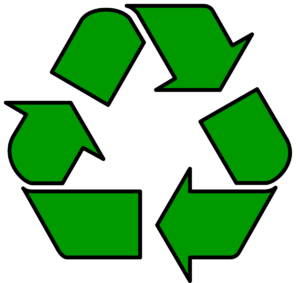
Universal Recycling Symbol
The recycling symbol, comprising a mobius loop, is one of the most recognizable icons in the world. It was created in the early 1970s by Gary Anderson and is included in the public domain. It can be found on many materials, but it's important to check local programs as not all products marked with the symbol can be recycled.
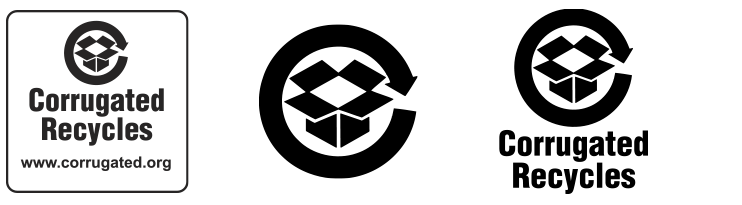
Corrugated Recycles
The Corrugated Packaging Alliance and Fibre Box Association have introduced a symbol indicating that corrugated fiberboard packaging, known commonly as cardboard, is recyclable in local curbside programs. However, some boxes may be coated in non-recyclable wax, so the CPA provides a certification program for manufacturers to print the “Corrugated Recycles – A” symbols, and use of fully recyclable sustainable wax alternatives is gaining popularity.
ECF – Elementally chlorine-free
Elementally Chlorine-Free (ECF) is a certification that identifies paper products that have been bleached without the use of elemental chlorine. This certification is important because it helps to reduce the presence of dioxins and other pollutants in our water and soil. ECF paper products are considered to be more environmentally friendly and sustainable than products bleached with elemental chlorine.

TCF – Totally chlorine-free
The TCF – Totally Chlorine-Free certification is a sustainability certification designed to eliminate chlorine-based chemicals from paper and pulp production. It is awarded to companies that demonstrate compliance with environmental standards, such as alternative bleaching methods, reduced water consumption and waste management, and the use of responsibly sourced fiber materials. The TCF certification is a key recognition for companies seeking to uphold high environmental standards.

EMAS – The EU Eco-Management and Audit Scheme
EMAS – The EU Eco-Management and Audit Scheme is a voluntary environmental certification that helps organisations to assess and improve their environmental performance. It requires organisations to monitor their performance, set targets for improvement and communicate and report publicly on their progress. EMAS certification is a valuable asset for organisations looking to demonstrate their commitment to sustainability.
ISO 14001 – International Environmental Management Standard
ISO 14001 is an international environmental management standard that provides organizations with a framework to identify, manage, and control environmental aspects and impacts of their operations. It is designed to help organizations ensure that their processes, products, and services meet environmental regulations and standards, as well as reduce their environmental footprint. Organizations that become certified to the ISO 14001 standard demonstrate their commitment to environmental protection and sustainability.
Nordic Swan
The Nordic Swan is an international certification mark that promotes sustainable and environmentally friendly products. The certification covers a wide variety of products, from construction materials and energy-efficient electronics to everyday items such as food and furniture. The certification is granted to products that meet strict environmental criteria, such as low energy consumption and the use of sustainable production processes. The Nordic Swan is a sign of quality, reliability and sustainability, and the certification is recognized in all Nordic countries.

FSC Certified
The Forest Stewardship Council (FSC) was established in 1993 as a worldwide organization intending to use the power of the marketplace to conserve forests for future generations. They achieve this goal by promoting responsible harvesting practices and respecting the rights of indigenous people, all while keeping in mind that humans need paper materials. Businesses can obtain Chain-of-Custody Certification to show that the timber or paper they use is from FSC-approved forests. There are three different labels: FSC 100%, FSC Mix, and FSC Recycled. The FSC 100% label signifies that the product is made of 100% virgin material from FSC-certified forests. The FSC Mix label means that the product is a mix of FSC-certified virgin fiber and/or recycled materials with Controlled virgin fiber. Lastly, the FSC Recycled label indicates that the product is composed of 100% recycled fiber. The recycling symbol in the top left corner of each label indicates the amount of pre- and post-consumer recycled fiber.